
Season 2026-2027
Hare Catalogue 2026-2027
Wild hares from Hungary for reintroduction and hunting
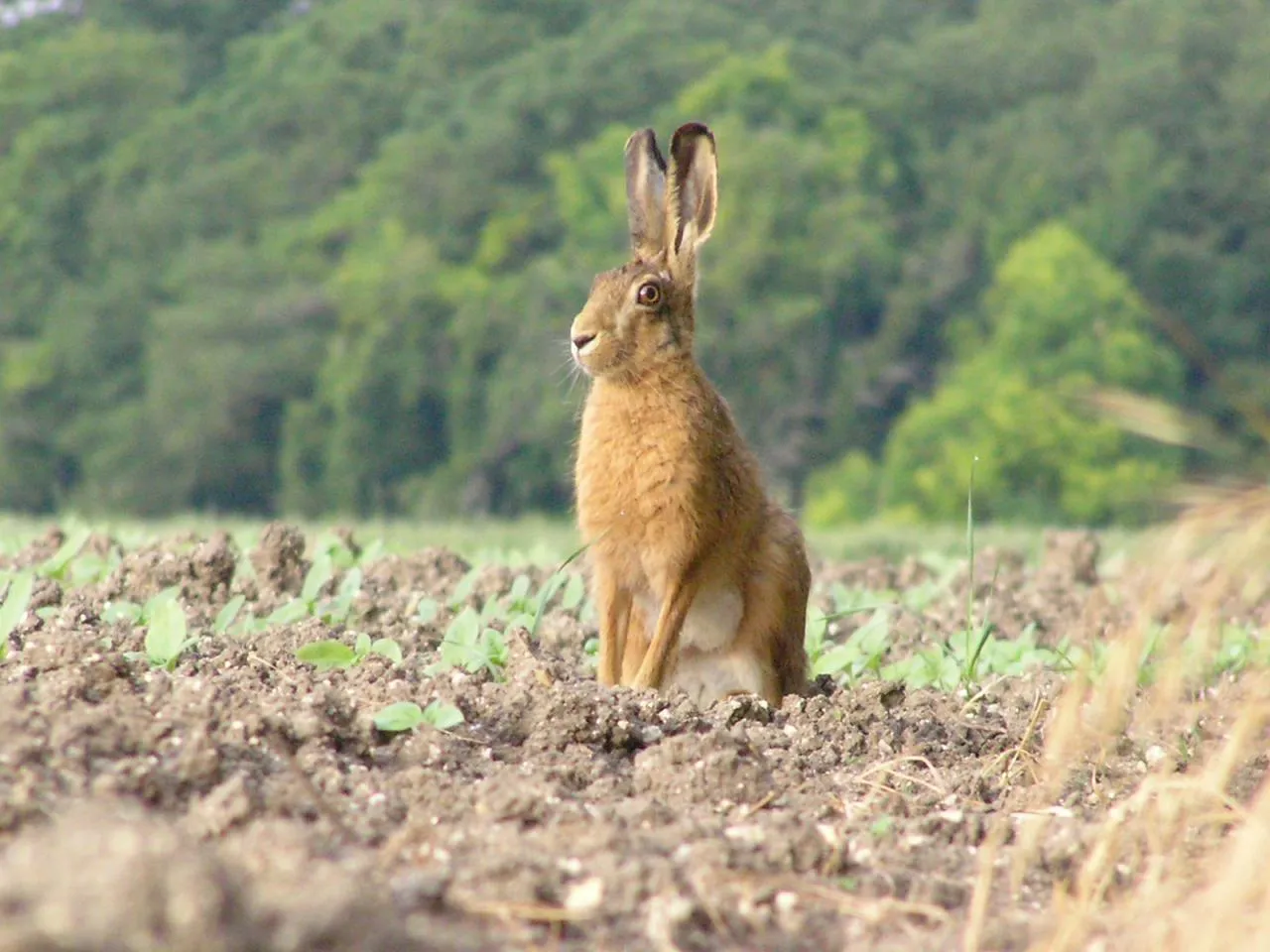
Wild hares from Hungary
Every year, from November to March, GIBIS organises capture campaigns for brown hares (Lepus europaeus) on the great plains of Hungary. These hares come from healthy wild populations and are caught in areas of high density, which keeps the impact on local populations to a minimum. Each campaign is run in close cooperation with Hungarian hunting federations and under the supervision of the veterinary authorities. For leverets bred in France and the details of our sources, see our page on restocking hares.
Certified wild origin
European brown hares caught in the wild on the Hungarian plains, with no time spent on a breeding farm.
Selected capture areas
Territories with high hare densities, approved by the Hungarian hunting federations.
Capture season
From November to March, a winter capture period ahead of the main leveret season, to minimise the impact on populations.
Capture methods
The hares are caught exclusively with nets, using a proven traditional Hungarian method. Beaters on foot gradually drive the hares towards stretched nets, without any chemicals, anaesthetics or motorised equipment. This animal-friendly method keeps stress to a minimum and preserves the physical integrity of every hare caught.
Net capture
Traditional method: beaters on foot drive the hares into fixed nets, with no vehicles and no chemicals.
Zero chemicals
No anaesthetic, tranquilliser or chemical substance is used during capture.
Physical integrity
Each hare is inspected immediately after capture. Only animals in perfect condition are kept.
Quarantine and health monitoring
After capture, the hares are placed in quarantine in dedicated facilities in Hungary, under the supervision of an approved veterinarian. During this period, serological and parasitological tests are carried out. Only animals with a clean bill of health are authorised for export. A European health certificate accompanies each batch on delivery.
Mandatory quarantine
Quarantine period in controlled facilities, with daily veterinary monitoring.
Laboratory tests
Systematic serological (brucellosis, tularaemia) and parasitological tests on every batch.
European health certificate
TRACES certificate issued by the Hungarian veterinary authorities, in line with EU regulations.
Full traceability
Each batch is identified and traced from capture to delivery on your ground.
Season 2026-2027 Pricing
2026-2027 hunting season — prices current as of August 2026
Imported hares — 2026-2027 prices (deposit before 20 December)
Additional hare services
Frequently Asked Questions
What does a live hare cost?
Where do GIBIS import hares come from?
Are the females pregnant?
When should I reserve my import hares?
What health checks are carried out?
See also
Reserve your hares now
Available quantities are limited by capture quotas. Contact us for availability and prices for the 2026-2027 season.